
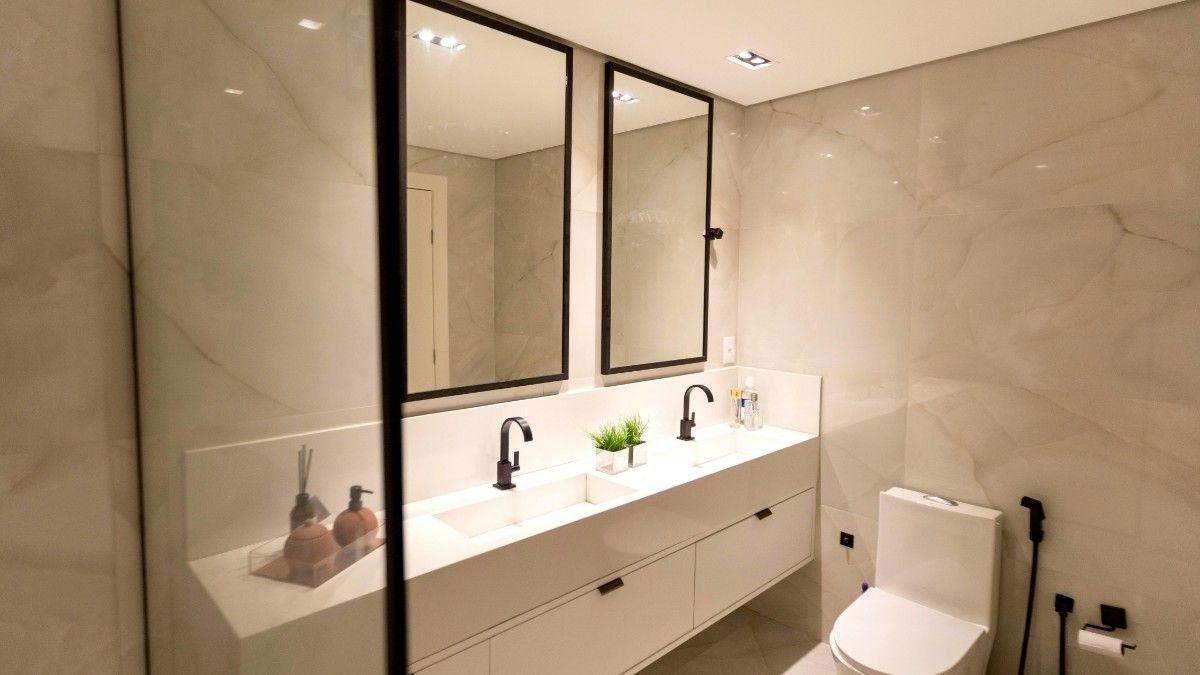
Choosing the right material for your bathroom walls can feel overwhelming. With so many options—tile, stone, acrylic panels, marble, ceramic, and more—homeowners often struggle to decide what will look beautiful, last long, and stay within budget. Among these choices, travertine often stands out as a luxurious and natural-looking material that can instantly elevate any bathroom. Its warm earth tones, soft textures, and classic appearance make it a favorite in high-end designs.
But the big question remains: Is travertine really a good choice for bathroom walls?
The short answer is: Yes, it can be an excellent choice—if you understand its characteristics and maintain it properly.
This article explores everything you need to know before committing to travertine. We will cover its benefits, drawbacks, maintenance needs, installation considerations, costs, and expert tips to help you decide if it’s the right material for your bathroom walls.
What Is Travertine?
Before deciding whether travertine works well for bathroom walls, it’s important to understand what it actually is.
A Natural Stone with a Rich History
It is a type of natural limestone formed by mineral deposits from natural springs and underground rivers. Its distinctive porous texture and warm colors have been used for centuries in architecture—from Roman bathhouses to modern luxury homes.
Unique Appearance
Travertine usually features:
- Soft, warm tones
- Natural patterns and veins
- A textured surface
- A timeless and classic look
Common colors include:
- Cream
- Beige
- Walnut
- Gold
- Silver
- Charcoal
These neutral tones easily match most bathroom styles.
Why Homeowners Love Travertine for Bathrooms
Travertine remains popular for a reason. When used correctly, it adds a touch of natural elegance that other materials cannot easily match.
It Creates a Luxurious Look
Travertine instantly elevates the bathroom’s atmosphere. The stone’s natural beauty gives the space a spa-like feel. Unlike artificial tiles, each travertine piece is unique, making your bathroom walls truly one-of-a-kind.
Works with Many Design Styles
Travertine is versatile and blends effortlessly with styles such as:
- Mediterranean
- Rustic
- Modern
- Contemporary
- Transitional
- Antique / Vintage-inspired
- Spa-like designs
Its warm tones soften the bathroom’s appearance and make the space feel more inviting.
Excellent Durability
Travertine is strong and can last for decades with the right care. It handles daily moisture, steam, and humidity—common in bathrooms—without major problems.
A Long-Term Investment
Installing travertine can increase home value because buyers see natural stone as a premium feature. A bathroom with stone walls often feels more luxurious than one with standard ceramic tiles.
Eco-Friendly Material
Travertine is a natural stone that requires minimal processing compared to some manufactured tiles, making it one of the more environmentally friendly wall options.
Travertine’s Drawbacks: What You Should Know
Even though travertine has many benefits, it is not perfect. Knowing the drawbacks helps you make a fully informed decision.
Porosity: The Most Important Factor
Travertine is highly porous, meaning it absorbs water easily if not sealed correctly. This is the main concern when using it in wet areas like showers.
If left unsealed, travertine can:
- Absorb moisture
- Stain easily
- Develop mold or mildew
- Lose its finish
- Become harder to clean
Requires Regular Sealing
To protect the stone, you must seal it regularly—typically once a year. In high-use bathrooms, sealing may be needed every 6–12 months.
Sealing helps:
- Prevent staining
- Reduce water absorption
- Protect the natural color
- Make cleaning easier
This maintenance step is non-negotiable for travertine.
Can Be Sensitive to Harsh Cleaners
Acidic or chemical cleaners can damage the stone by:
- Etching the surface
- Fading the color
- Wearing down the sealant
Only pH-neutral cleaners safe for natural stone should be used.
Higher Cost Compared to Standard Tiles
It costs more than ceramic or porcelain tiles. The price varies depending on:
- Grade of stone
- Cut quality
- Finish
- Thickness
- Color rarity
Installation also tends to be more expensive because natural stone requires specialized labor.
Heavy Material
Travertine tiles are heavier than ceramic tiles, meaning:
- Installation is more labor-intensive
- Stronger walls or adhesives may be necessary
- Not all wall structures can support heavy stone
Is Travertine Good for Shower Walls?
It looks beautiful in showers, but using it there requires extra care.
Benefits in the Shower
When properly sealed and maintained:
- It creates a high-end luxurious appearance
- Warm tones make the shower feel more relaxing
- Natural texture provides grip, reducing slip risk
- It holds heat well, making showers feel warmer
Important Requirements
For shower use, travertine must be:
- Professionally installed
- Fully sealed
- Resealed regularly
- Grouted tightly
- Cleaned with stone-safe products
Using a waterproof membrane behind the stone is essential to avoid moisture absorption.
Potential Challenges
Travertine in wet areas can:
- Darken over time
- Stain from soaps or shampoos
- Require more upkeep than porcelain
- Be more susceptible to mold if neglected
If you want a low-maintenance shower, porcelain tile designed to mimic natural stone may be easier.
Different Travertine Finishes and How They Perform on Bathroom Walls

It is available in several finishes. Each finish affects maintenance, appearance, and waterproofing ability.
Honed and Filled
This is the best choice for bathroom walls, including showers.
- “Honed” means the surface is smooth but not glossy
- “Filled” means the natural holes are filled with resin or cement
Advantages
- Less porous
- Easier to clean
- Has a modern, matte finish
- Requires less sealing compared to unfilled stone
Polished
This finish is shiny and reflective.
Pros
- Elegant and luxurious appearance
- Less porous due to compact surface
Cons
- More slippery
- Shows water spots easily
- Requires careful cleaning
Tumbled
This finish has an aged, rustic look with rounded edges.
Pros
- Excellent for rustic or Mediterranean designs
- Good grip on floors
Cons
- Very porous
- Requires heavy sealing
- Not ideal for high-moisture walls unless treated carefully
Brushed
This finish is textured and natural-looking.
Pros
- Good for accent walls
- Hides scratches and wear
Cons
- Harder to clean
- More likely to trap dirt in grooves
How to Maintain Travertine Bathroom Walls
Maintenance is the key to long-lasting travertine.
Seal the Stone Regularly
A high-quality penetrating sealer must be applied every 6–12 months. For shower walls, sealing may be required more often depending on usage.
Use the Right Cleaner
Avoid:
- Vinegar
- Lemon-based cleaners
- Bleach
- Ammonia
- Abrasive powders
Use only pH-neutral stone cleaners.
Wipe Down Walls After Showering
Using a squeegee or microfiber cloth:
- Prevents water spots
- Reduces mildew growth
- Keeps the stone looking clean
Address Stains Quickly
If shampoo, soap, or hair dye spills, clean it immediately. Travertine can stain if substances sit on the surface.
Reseal Grout Lines
Grout absorbs water easily and must be sealed along with the stone.
Comparing Travertine with Other Popular Bathroom Wall Materials
To understand whether travertine is a good choice, compare it with common alternatives.
Travertine vs. Porcelain Tile
| Feature | Travertine | Porcelain |
| Durability | High | Very high |
| Maintenance | Moderate to high | Low |
| Water absorption | High (unsealed) | Very low |
| Cost | Higher | Lower |
| Appearance | Natural, unique | Uniform, sometimes artificial |
| Lifespan | Decades | Decades |
Porcelain requires less maintenance, but travertine offers unmatched natural beauty.
Travertine vs. Marble
| Feature | Travertine | Marble |
| Porosity | High | Medium |
| Care level | Moderate | High |
| Cost | Lower than marble | Higher |
| Appearance | warm, rustic | elegant, luxurious |
Travertine is generally more affordable and easier to maintain than marble.
Travertine vs. Ceramic Tile
Ceramic is cheaper and easier, but lacks the luxurious feel of natural stone.
Costs of Using Travertine for Bathroom Walls

Material Costs
High-quality travertine typically costs:
- $5–$20 per sq. ft. for standard tiles
- $25–$40 per sq. ft. for premium grades
Installation Costs
Because travertine requires skilled labor, installation may cost:
- $10–$25 per sq. ft.
Maintenance Costs
Annual sealing costs can include:
- Sealant bottles ($20–$60 each)
- Professional sealing (optional)
Travertine is an investment, but one that increases your home’s value.
Tips for Using Travertine Successfully in Bathroom Walls
If you decide to use it, follow these tips to get the best results.
Choose Honed and Filled Tiles
They offer the best performance in moisture-prone areas.
Apply Waterproofing Membrane
A moisture barrier behind the stone prevents long-term damage.
Seal It Properly
Do not skip this step. Always seal before and after installation.
Use Light-Colored Grout
It blends better and highlights the stone’s natural patterns.
Use for Feature Walls
If full coverage seems expensive or high-maintenance, use travertine on:
- Accent walls
- Behind the bathtub
- Around mirrors
- Partial wall sections
This gives your bathroom a luxurious look without overwhelming your budget.
Consider Water Softening
Hard water can leave stains on natural stone. A softener reduces mineral spots.
So, Is Travertine a Good Choice for Bathroom Walls?
Yes, travertine is an excellent choice for bathroom walls—
but only if you are prepared for proper maintenance.
It is a great option if you want:
- Natural beauty
- Timeless elegance
- Increased home value
- A warm and inviting bathroom
- A luxury appearance
It may NOT be suitable if you want:
- Zero maintenance
- Low cost
- A surface immune to stains
- A perfect match for extremely wet environments without upkeep
In short, if you appreciate natural stone and don’t mind sealing it regularly, travertine can transform your bathroom into a spa-like retreat.
Concluding Words
Travertine offers unmatched aesthetic appeal with its warm tones, rich texture, and natural beauty. It can absolutely be a wonderful material for bathroom walls, especially when installed and maintained correctly. While it does require more care than ceramic or porcelain tiles, its durability, elegance, and timeless look make it worth the investment for many homeowners.
