
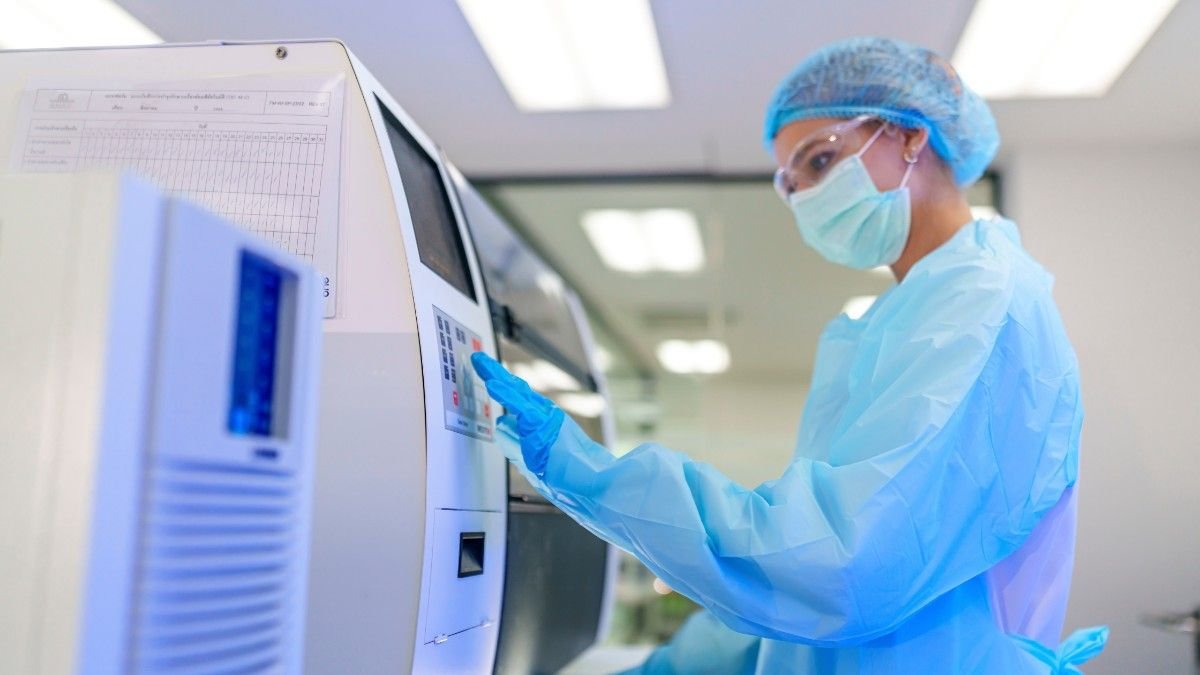
Medical laboratories are the backbone of modern healthcare. Almost every medical decision—whether it is diagnosing a disease, monitoring treatment, or assessing a patient’s recovery—depends on laboratory results. Over the past few decades, laboratory medicine has changed dramatically. One of the most important drivers of this change is the use of automated analyzers.
Automated analyzers have transformed how tests are performed, how fast results are delivered, and how accurately data is reported. These systems reduce manual work, increase consistency, and improve patient safety. For doctors and Medical Laboratory Scientists, automation has not replaced expertise—it has enhanced it. This article explains how automated analyzers are changing medical laboratories and why they are now a central part of modern diagnostic services.
The Evolution of Medical Laboratory Testing
From Manual Methods to Automation
In the past, most laboratory tests were done manually. Technologists used pipettes, test tubes, microscopes, and simple instruments to perform each step of a test. While these methods were reliable, they required significant time and effort. Human error was also a concern, especially when handling large numbers of samples.
As patient numbers increased and healthcare systems expanded, laboratories needed faster and more reliable systems. This led to the development of semi-automated instruments, followed by fully automated analyzers.
Today, many large laboratories operate with high-throughput automated systems that can process hundreds or even thousands of samples per hour.
What Are Automated Analyzers?
Automated analyzers are machines designed to perform laboratory tests with minimal human intervention. They can handle tasks such as:
- Sample identification
- Reagent mixing
- Incubation
- Measurement
- Data recording
- Result reporting
These systems are used in various departments, including:
- Clinical chemistry
- Hematology
- Immunology
- Microbiology
- Coagulation testing
- Molecular diagnostics
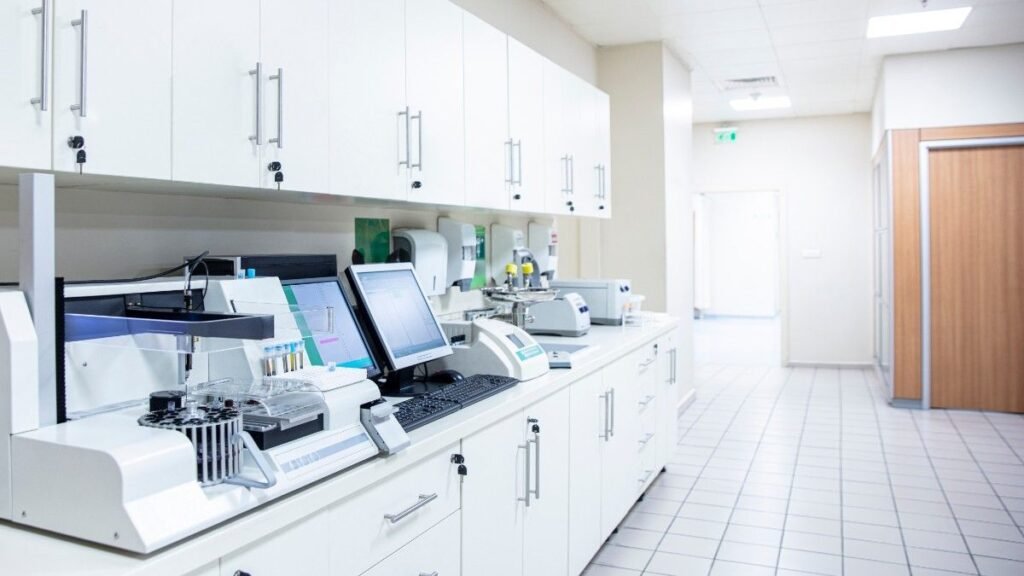
Modern analyzers are often integrated with Laboratory Information Systems (LIS), allowing seamless data transfer and reducing paperwork.
Improved Accuracy and Precision
Reduction of Human Error
Manual testing increases the risk of errors such as incorrect pipetting, wrong labeling, or calculation mistakes. Automated analyzers use programmed protocols and robotic arms to perform tasks with high precision. This greatly reduces variability between samples.
For example, in clinical chemistry testing, even a small variation in reagent volume can affect results. Automated systems measure reagents with extreme accuracy, improving consistency across all tests.
Standardization of Results
Automation helps standardize testing procedures. The identical conditions are applied to each sample. This leads to:
- Better reproducibility
- Improved quality control
- Reliable comparison of results over time
For doctors, this means greater confidence in laboratory reports.
Faster Turnaround Time
High-Throughput Processing
One of the biggest advantages of automated analyzers is speed. These machines can run multiple tests simultaneously. Instead of processing one sample at a time, automated systems handle large batches efficiently.
This is especially important in:
- Emergency departments
- Intensive care units
- Oncology units
- Large hospital laboratories
Rapid turnaround time supports faster clinical decisions. In critical cases, timely lab results can directly affect patient survival.
Continuous Operation
Many automated analyzers operate continuously with minimal downtime. Some systems allow random access testing, meaning urgent samples can be inserted without interrupting routine testing.
This flexibility improves laboratory workflow and patient care.
Enhanced Laboratory Efficiency
Reduced Manual Workload
Automation reduces repetitive manual tasks such as:
- Pipetting
- Sample sorting
- Data entry
- Result calculation
This allows Medical Laboratory Scientists to focus on:
- Quality control
- Troubleshooting
- Method validation
- Complex case analysis
Instead of spending hours on routine tasks, laboratory professionals can use their expertise more effectively.
Better Resource Management
Automated analyzers optimize reagent usage and reduce waste. Many systems track reagent levels and alert staff before shortages occur. This improves inventory management and reduces operational costs.

Integration with Laboratory Information Systems (LIS)
Seamless Data Flow
Modern analyzers are connected to LIS platforms. Once a test is completed, results are automatically uploaded to the system. This eliminates the need for manual data entry, which reduces transcription errors.
Doctors can access results quickly through electronic medical records (EMR). This integration improves communication between laboratory and clinical teams.
Improved Traceability
Automation improves traceability at every stage:
- Sample tracking using barcodes
- Recording of test parameters
- Documentation of quality control data
This is essential for accreditation standards and regulatory compliance.
Quality Control and Quality Assurance
Built-In Quality Monitoring
Automated analyzers often include internal quality control programs. These systems:
- Run control samples automatically
- Monitor calibration
- Detect abnormal patterns
- Alert users about potential issues
This improves overall laboratory reliability.
Data Analysis and Trend Monitoring
Automated systems store large amounts of data. Laboratories can analyze trends over time, identify systematic errors, and improve testing protocols.
This data-driven approach strengthens quality assurance programs and enhances patient safety.
Improved Safety for Laboratory Staff
Reduced Exposure to Biological Hazards
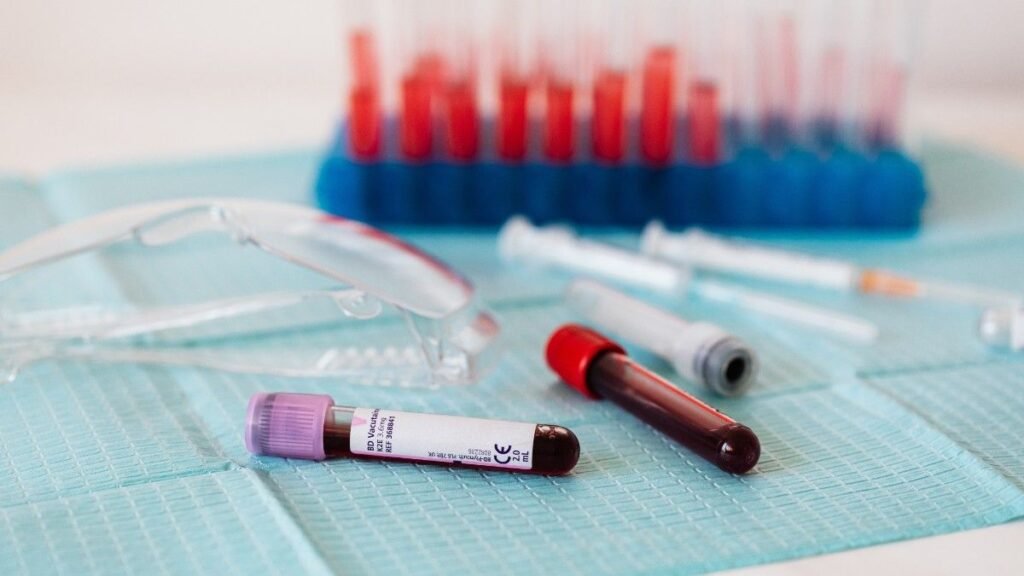
Handling blood and other body fluids carries infection risks. Automation reduces direct contact with samples. Closed systems and robotic arms minimize exposure to potentially infectious materials.
This is especially important during outbreaks of infectious diseases.
Safer Chemical Handling
Automated analyzers also reduce exposure to chemical reagents. Many systems use sealed reagent cartridges, decreasing the risk of spills and inhalation hazards.
Workplace safety improves significantly with automation.
Impact on Different Laboratory Departments
Clinical Chemistry
In clinical chemistry, automated analyzers can perform tests such as:
- Glucose
- Liver function tests
- Kidney function tests
- Lipid profiles
These systems handle high volumes with excellent precision, making them essential in large hospitals.
Hematology
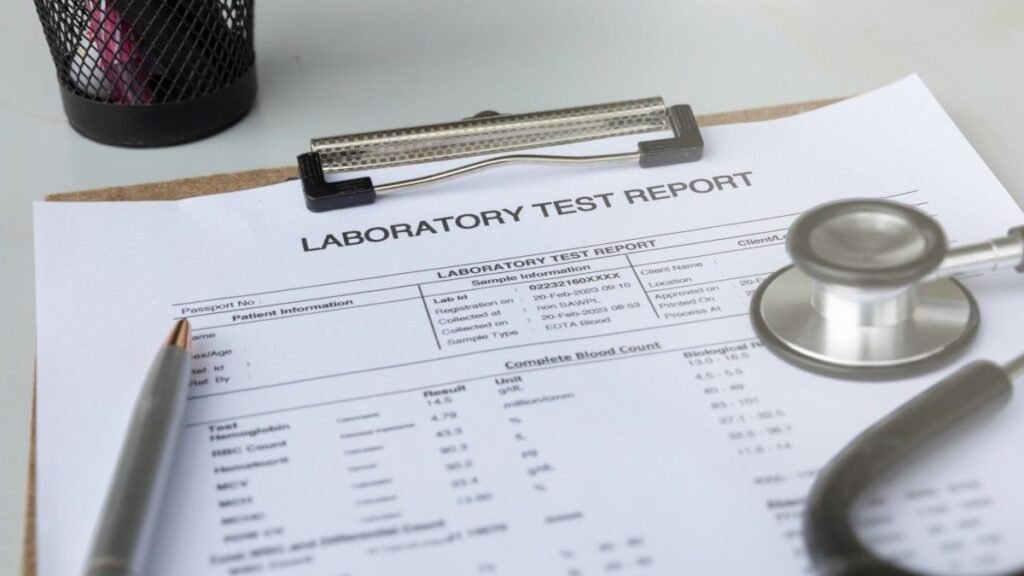
Automated hematology analyzers perform complete blood counts (CBC) quickly and accurately. They also provide detailed cell differentials and flag abnormal cells for further review.
This improves diagnostic accuracy in conditions such as:
- Anemia
- Infections
- Leukemia
Immunology and Serology
Automation has improved immunoassay testing, including:
- Hormone analysis
- Tumor markers
- Infectious disease screening
High sensitivity and automation allow earlier detection of diseases.
Molecular Diagnostics
Although molecular testing requires advanced equipment, many steps are now automated. From nucleic acid extraction to amplification, automation improves precision and reduces contamination risks.
Role During Public Health Emergencies
During global health crises, such as pandemics, laboratories face sudden increases in testing demand. Automated analyzers help manage these surges.
High-throughput systems can process thousands of samples daily. This supports large-scale screening programs and improves outbreak control efforts.
Automation ensures laboratories can respond quickly to public health needs.
Cost Considerations
Initial Investment
Automated analyzers require significant upfront investment. Equipment, installation, and staff training can be expensive.
However, long-term benefits often justify the cost.
Long-Term Savings
Automation reduces:
- Labor costs
- Reagent waste
- Repeat testing due to errors
Over time, these savings balance the initial investment. In large laboratories, automation often leads to improved financial efficiency.
Challenges and Limitations
Technical Dependence
Automated systems rely on proper maintenance and technical support. Breakdowns can disrupt laboratory workflow. Therefore, laboratories must:
- Maintain service contracts
- Train staff for troubleshooting
- Keep backup systems ready
Need for Skilled Personnel
Automation does not eliminate the need for skilled professionals. Instead, it changes their role. Laboratory scientists must understand:
- Instrument calibration
- Data interpretation
- Quality management
Human expertise remains essential.
Risk of Over-Reliance
While automation improves efficiency, critical thinking is still required. Abnormal or unexpected results must be reviewed carefully. Automated flags do not replace professional judgment.
Changing the Role of Medical Laboratory Scientists
From Manual Technicians to Data Experts
With automation handling routine tasks, Medical Laboratory Scientists are becoming more involved in:
- Data analysis
- Quality assurance
- Method development
- Clinical consultation
This shift enhances the professional value of laboratory staff.
Greater Collaboration with Clinicians
Automation provides faster and more reliable data. As a result, laboratory professionals are increasingly consulted by physicians for interpretation of complex results.
This strengthens teamwork between laboratory and clinical departments.
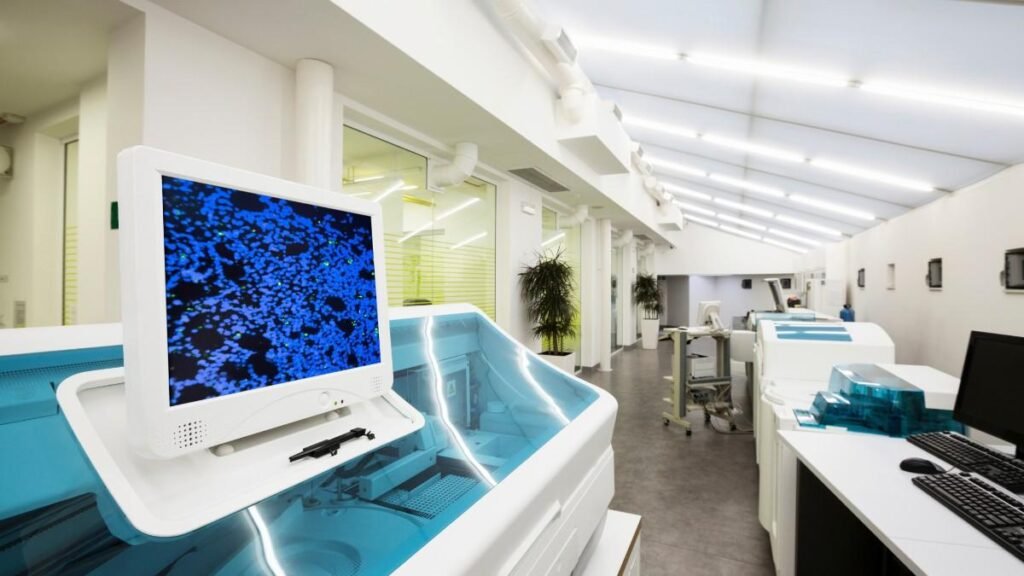
Future Trends in Laboratory Automation
Artificial Intelligence (AI)
Artificial intelligence is beginning to support automated analyzers. AI can:
- Detect unusual result patterns
- Predict instrument maintenance needs
- Assist in diagnostic interpretation
This will further enhance laboratory performance.
Total Laboratory Automation (TLA)
Some large institutions are adopting Total Laboratory Automation systems. These systems connect:
- Sample reception
- Sorting
- Testing
- Storage
All processes are integrated into one continuous workflow. TLA improves efficiency and reduces turnaround time even more.
Remote Monitoring
Modern analyzers can be monitored remotely. Manufacturers can identify technical issues early and provide quick solutions. This reduces downtime and improves service quality.
Benefits for Patient Care
Ultimately, the purpose of automation is to improve patient care. Automated analyzers contribute by:
- Providing faster results
- Improving accuracy
- Reducing diagnostic delays
- Supporting evidence-based treatment
When doctors receive reliable laboratory data quickly, they can make better clinical decisions.
Patients benefit from:
- Early diagnosis
- More accurate monitoring
- Safer healthcare services
Conclusion
Automated analyzers have transformed medical laboratories in powerful ways. They improve accuracy, increase speed, enhance safety, and support better patient care. While automation requires investment and proper management, its benefits are clear.
