
Introduction
Every season brings a change in weather, mood, and fashion. As temperatures rise or fall, the clothes we wear need to adjust as well. Many people struggle with this transition. One day it feels too warm for winter clothing, and the next day it feels too cold for summer outfits. This is where knowing how to transition your wardrobe between seasons becomes very helpful.
A well-planned seasonal wardrobe transition can save time, reduce stress, and help you make better use of the clothes you already own. Instead of completely replacing your closet every season, you can mix, layer, and reorganize your clothing to suit changing weather conditions. This approach is not only practical but also cost-effective and sustainable.
In this guide, you will learn simple and effective ways to transition your wardrobe smoothly between seasons. From organizing your closet to layering outfits and choosing versatile clothing pieces, these strategies will help you stay comfortable and stylish all year round.
Understanding Seasonal Wardrobe Transition
Before making any changes to your closet, it is important to understand what a wardrobe transition actually means.
Transitioning your wardrobe is the process of gradually adjusting your clothing choices as the weather changes. Instead of switching everything at once, you slowly introduce seasonal pieces while keeping some items from the previous season.
For example:
- During the shift from winter to spring, you might replace heavy coats with lighter jackets.
- During the shift from summer to fall, you might start layering sweaters over light shirts.
This gradual approach allows you to stay prepared for unpredictable weather while keeping your outfits balanced and comfortable.
Step 1: Evaluate Your Current Wardrobe
Take Everything Out
The first step in transitioning your wardrobe is to evaluate what you already have. Take time to go through your closet and review each item.
Ask yourself questions such as:
- Do I still wear this?
- Is this item comfortable and in good condition?
- Is it possible for this piece to be used in multiple seasons?
This process helps you identify what to keep, donate, repair, or discard.
Sort Clothes into Categories
Organizing clothing into categories makes it easier to understand your wardrobe.
You can sort your clothes into groups such as:
- Winter clothing
- Summer clothing
- All-season pieces
- Special occasion clothing
Many items can actually work across multiple seasons. For example, jeans, neutral shirts, and lightweight jackets can often be worn year-round.
Step 2: Store Off-Season Clothing
Create Space in Your Closet
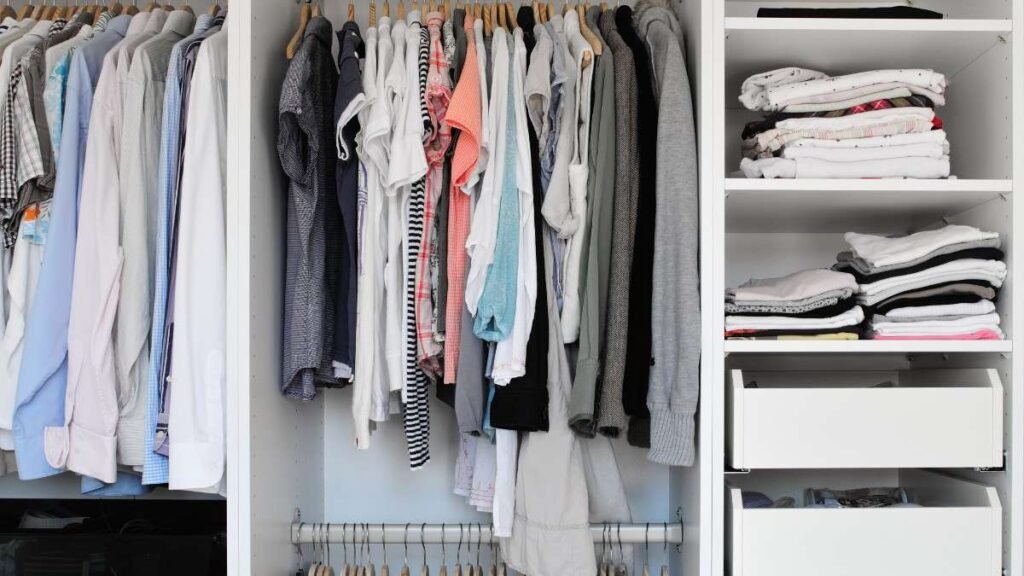
Once you identify the clothes you won’t need for the upcoming season, store them properly. Removing off-season items creates space and makes your closet easier to navigate.
You can store these items in:
- Storage boxes
- Vacuum-sealed bags
- Under-bed containers
- Closet storage bins
Protect Clothing During Storage
Proper storage is important to keep clothes in good condition. Before putting on your clothes, make sure they are clean. Dirt and moisture can damage fabrics over time.
Use protective materials such as:
- Cotton garment bags
- Cedar blocks for moth prevention
- Silica packs to reduce moisture
By storing clothes properly, you ensure they remain fresh and ready for the next season.

Step 3: Identify Versatile Clothing Pieces
One of the best ways to transition your wardrobe between seasons is by focusing on versatile clothing pieces.
Clothing That Works Year-Round
Some clothes are naturally adaptable and can work in multiple weather conditions.
Examples include:
- Denim jeans
- Neutral-colored t-shirts
- Button-down shirts
- Lightweight sweaters
- Midi dresses
- Basic skirts
These items can be layered or styled differently depending on the temperature.
Neutral Colors Are Key
Clothing in neutral colors such as black, white, beige, gray, and navy can easily mix and match with seasonal pieces. This makes it easier to create different outfits without needing a large wardrobe.
Versatile clothing forms the foundation of a flexible wardrobe.
Step 4: Master the Art of Layering
Layering is one of the most effective ways to transition your wardrobe between seasons.
Why Layering Works
Weather during seasonal changes can be unpredictable. Afternoons might be warm and mornings can be chilly. You can change your attire during the day by layering.
You can simply add or remove layers as the temperature changes.
Common Layering Pieces
Some of the best layering items include:
- Cardigans
- Denim jackets
- Blazers
- Lightweight sweaters
- Vests
- Scarves
For example, during early fall you can wear a simple t-shirt with a light cardigan and jeans. If it gets warmer later in the day, you can remove the cardigan.
Layering for Different Seasons
Spring Transition
- Light sweater over a shirt
- Denim jacket over a dress
- Scarf for cooler mornings
Fall Transition
- Long-sleeve shirt under a sweater
- Jacket over light clothing
- Boots with lighter outfits
Layering helps extend the use of many clothing items throughout the year.
Step 5: Introduce Seasonal Pieces Gradually
Instead of switching your entire wardrobe overnight, introduce seasonal items slowly.
Transition from Winter to Spring
As winter ends, heavy coats and thick sweaters may become uncomfortable. However, temperatures may still drop occasionally.
Start by replacing:
- Thick coats with lighter jackets
- Wool sweaters with cotton sweaters
- Heavy boots with ankle boots or sneakers
Transition from Summer to Fall
As temperatures cool down, begin introducing warmer pieces.
For example:
- Replace shorts with jeans
- Add light sweaters over summer tops
- Wear scarves with lighter clothing
This gradual approach keeps you comfortable while adjusting to seasonal changes.

Step 6: Update Footwear for the Season
Shoes play an important role in seasonal wardrobe transitions.
Transitioning Shoes
Different seasons require different types of footwear.
Examples include:
Spring and Summer
- Sandals
- Lightweight sneakers
- Espadrilles
- Loafers
Fall and Winter
- Boots
- Closed-toe shoes
- Waterproof footwear
When transitioning seasons, start by introducing shoes that work in both weather conditions. For example, ankle boots can work well in both fall and mild winter days.
Keep Comfort in Mind
During seasonal transitions, comfort is essential. Weather changes can cause unexpected rain, wind, or cold temperatures. Choose footwear that protects your feet while still looking stylish.

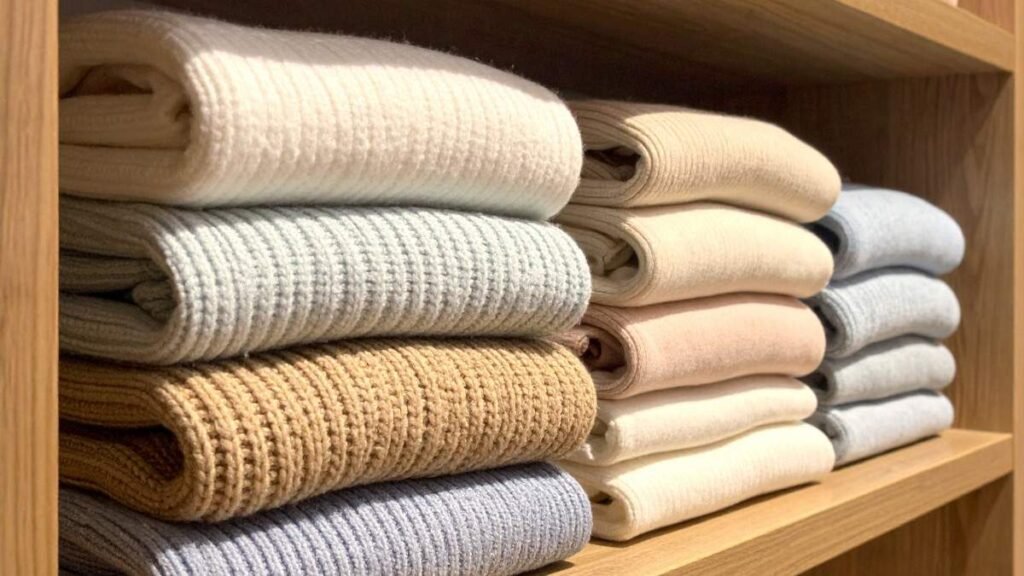
Step 7: Adjust Fabrics According to Weather
Fabrics play a big role in how comfortable you feel throughout the day.
Warm Weather Fabrics
During warmer months, lightweight fabrics help keep the body cool.
Common warm-weather fabrics include:
- Cotton
- Linen
- Rayon
- Chambray
These materials avoid overheating by allowing air to flow.
Cold Weather Fabrics
As temperatures drop, thicker fabrics help retain body heat.
Examples include:
- Wool
- Fleece
- Flannel
- Cashmere
When transitioning seasons, mix lighter fabrics with slightly warmer layers. For example, a cotton shirt under a light wool sweater can work well during fall.
Step 8: Refresh Your Wardrobe with Accessories
Accessories are an easy way to adapt outfits for different seasons without buying new clothes.
Seasonal Accessories
Accessories that help transition wardrobes include:
- Scarves
- Hats
- Belts
- Sunglasses
- Jewelry
For example, a simple dress worn in summer can be paired with a scarf and boots in fall to create a completely different look.
Use Accessories to Add Color
Seasonal accessories can also add color and personality to your wardrobe.
Examples:
- Bright colors for spring and summer
- Earth tones for fall
- Neutral and darker shades for winter
Accessories allow you to update your style without major wardrobe changes.

Step 9: Maintain a Capsule Wardrobe
A capsule wardrobe is a small collection of essential clothing items that can be mixed and matched easily.
Benefits of a Capsule Wardrobe
Maintaining a capsule wardrobe offers several advantages:
- Fewer clothes to manage
- Easier outfit planning
- Less clutter in your closet
- More versatile fashion choices
Many capsule wardrobes include around 30–40 items that work well together.
Seasonal Capsule Pieces
Examples of capsule items include:
- Basic jeans
- Neutral t-shirts
- Classic jackets
- Simple dresses
- Comfortable shoes
With these pieces, transitioning between seasons becomes much easier.

Step 10: Keep Your Wardrobe Organized
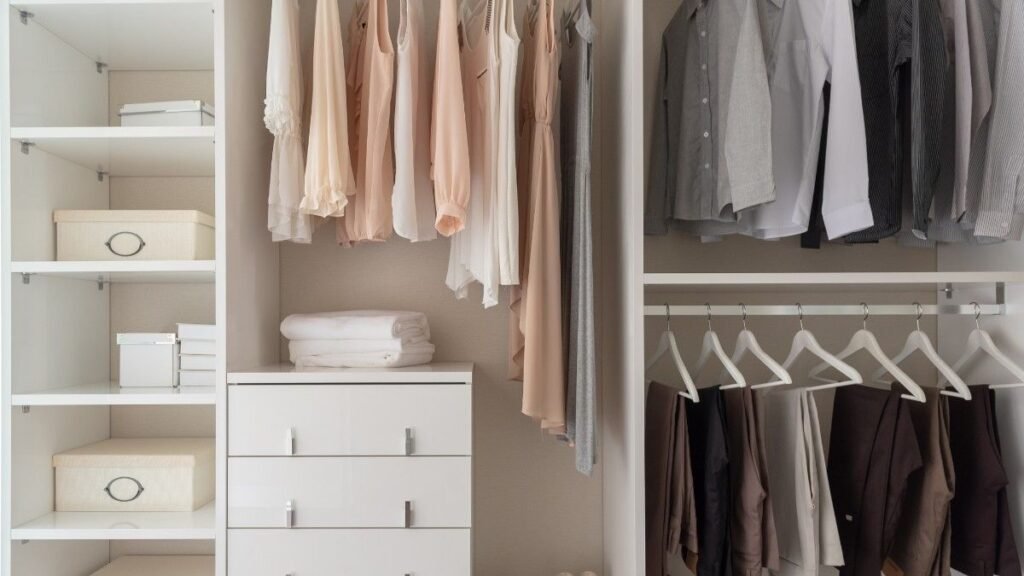
Organization is key when transitioning your wardrobe between seasons.
Arrange Clothes by Category
Keeping clothes organized by type makes it easier to find what you need.
For example:
- Tops in one section
- Jackets in another
- Pants and skirts together
This system helps you quickly create outfits during seasonal changes.
Rotate Clothing Regularly
During seasonal transitions, move the most frequently used clothing items to the front of your closet. Store less-used pieces toward the back or in storage boxes.
This keeps your wardrobe functional and efficient.
Benefits of Seasonal Wardrobe Transition
Transitioning your wardrobe properly offers many benefits.
Saves Money
Instead of buying new clothes every season, you maximize the use of items you already own.
Reduces Stress
A well-organized wardrobe makes it easier to choose outfits quickly.
Promotes Sustainable Fashion
Using clothing across multiple seasons reduces waste and supports environmentally friendly fashion habits.
Improves Personal Style
When you learn to mix and match clothes creatively, your personal style naturally improves.
Conclusion
Learning how to transition your wardrobe between seasons is an important skill for anyone who wants to stay comfortable and stylish throughout the year. Instead of making drastic changes every few months, a thoughtful and gradual approach allows you to adapt your clothing smoothly.
